

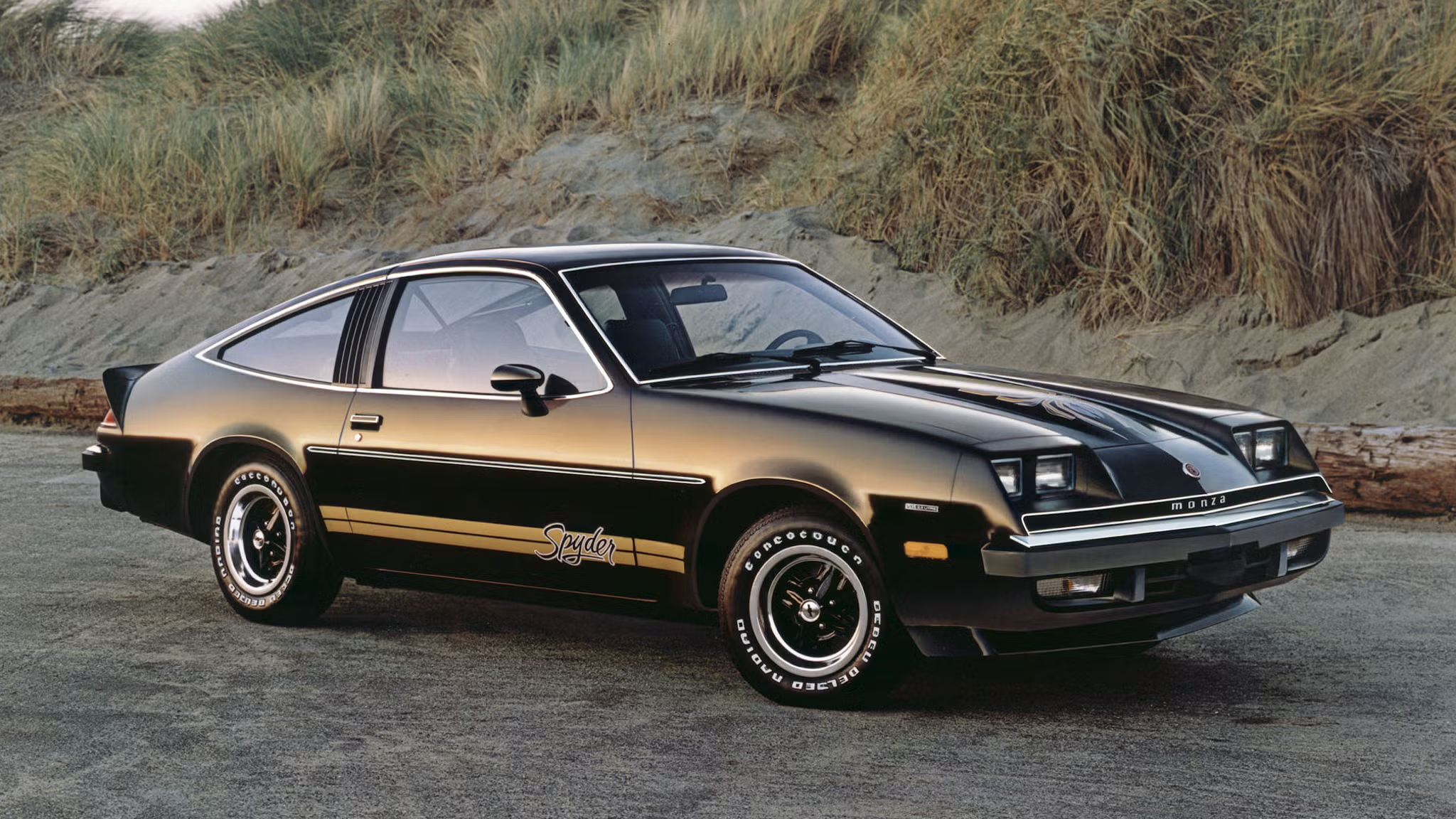
Found Under a Tarp
Some cars are bought; others are rescued. This Monza had sat under a tarp in a dry barn for the better part of fifteen years - complete, unmolested, and refusing to do anything at all. What follows is a condensed account of getting a big rear-wheel-drive Opel coupe back on the road without throwing money at problems that patience fixes for free.
The Starting Point
The good news: it was dry-stored and largely rust-free. The bad news: everything that relied on fluid, rubber or a seal had given up. The plan was deliberately unglamorous - make it safe, make it run, then make it nice, in that order.
The First Six Months
Month 1 - Assessment.
Before touching anything, the whole car was documented and inventoried. Knowing exactly what was there, and what was missing, shaped every decision that followed.
Month 2 - Brakes and safety.
Every brake component was seized. Calipers, cylinders and lines were rebuilt or replaced before the engine was ever a priority. A car that runs but will not stop is not a project, it is a hazard.
Month 3 - Fuel and fluids.
Old fuel had turned to varnish. The tank, lines and pump were cleaned or renewed, and every fluid in the car was drained and replaced before any attempt to start.
Month 4 - First fire.
With fresh fuel, a new battery and a careful pre-oil, the CIH six caught within a few seconds. Decades-old engines often start more easily than people expect when the basics are right.
Months 5 to 6 - Sorting and the first drive.
Cooling, charging and a long list of small jobs followed. The first proper drive came at the end of month six - tentative, but exactly the payoff that makes this kind of project worth it.
What Made the Difference
- Dry storage: the single biggest factor in how recoverable the car was.
- Safety first: brakes before performance, every time.
- Fresh fluids everywhere: cheap, essential and easy to overlook.
- Patience over force: seized parts freed with time, not hammers.
- Documentation: photos and notes that saved hours during reassembly.
Lessons for Your Own Revival
- Do not crank a dry engine: pre-oil before the first start.
- Expect every seal to fail: budget for rubber and gaskets throughout.
- Sort braking first: it determines when you can safely test anything.
- Work in stages: safe, running, then beautiful - in that order.
Where It Stands Now
The Monza is back on the road and earning its keep as a usable classic rather than a static restoration. The cosmetics will come, but the satisfaction was always in the revival itself - taking a car everyone had written off and giving it another decade.
The best barn-finds are the ones you bring back yourself.
Building an Opel? Join our SMS list for updates.

Reference for the Opel building community.

