Drivetrain & Gearing
Torque-tube mods, pinion angle, U-joints, gearbox ratio tables, and Ascona driveline cross-links.
Browse reference areas
Browse reference areas


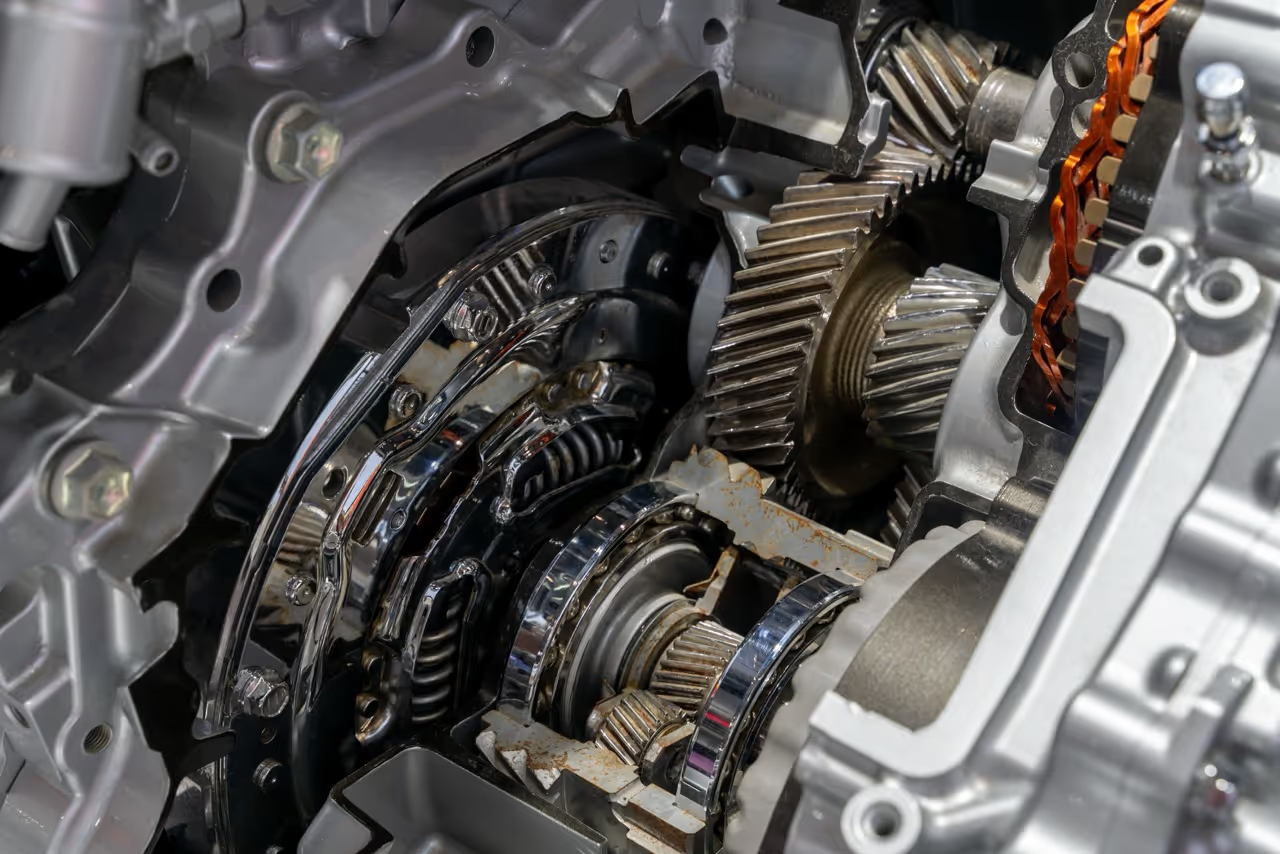
Opel Tuners documents gearbox ratios, torque-tube modifications, and rear-axle geometry for the RWD Opel range the material you need when a taller motorway gear, a shorter rally second, or a modified torque-tube changes how the car puts power down without binding the axle or shredding CV joints. This pillar connects directly to fuel-injection and chassis articles because final-drive choice changes load at a given road speed, and pinion angle changes when ride height moves.
The archive assumes you are working with four- and five-speed Opel manual gearboxes, period automatics where documented, and the torque-tube layout that defines how the rear axle moves relative to the body. Treat ratio tables as starting points: tyre diameter, engine peak torque rpm, and intended use (street, rally, motorway) determine whether a “correct” ratio on paper feels wrong in your car.
The Gearbox Ratios article collects reference tables and swap notes across the RWD range which boxes share bellhousing patterns, which shifters and mounts interchange, and how to calculate road speed from rpm with real tyre rolling circumference, not catalogue diameter.
Swapping gearboxes is never only ratios. Clutch release bearing travel, hydraulic vs cable clutch, speedometer drive (mechanical vs electronic adaptation), and prop shaft length must be confirmed. A five-speed from a donor car with a different subframe may require tunnel clearance checks and shifter relocation mock-up before you drill holes.
When you add forced induction or camshaft work documented under Fuel Injection & Engine Management, revisit peak-torque rpm versus first and second gear multiplication wheelspin on launch is often a ratio problem misidentified as “too much power.”
Torque-Tube Modification explains how builders alter the Opel torque-tube driveline for more power and changed ride height without binding the rear axle. The torque-tube is not a generic propshaft it locates the axle while transmitting torque, so ride height and link changes are never independent.
Pinion angle targets must be measured at loaded ride height. Excessive angle accelerates U-joint wear and produces a vibration that feels like wheel balance above a certain speed. Combine this article with Suspension, Brakes & Chassis Geometry when you lower the car and change rear link length in the same weekend.
Power increases from turbo or injection builds documented in the fuel-injection pillar increase shock load on splines and joints inspect slip joints and flange bolts when you step up torque, not only when you hear noise.
Many RWD Opels share hub and brake drum/disc families across markets with different spline counts and bearing sizes. Confirm axle code and differential ratio tag before you buy a “known good” rear from a breaker. Ratio labels can be wrong after decades of swaps.
Limited-slip vs open diff changes handling on throttle lift; the reference notes describe street-friendly setups vs aggressive ramp angles that fight you in wet roundabouts. Oil grade and LSD additive requirements are part of durability not optional trivia.
A heavy flywheel masks idle instability but slows rev matching; a light flywheel exposes injection idle tuning problems. Match clutch clamp load to tyre grip and intended use drag-style clutches on street tyres create judder and broken input shafts without faster lap times.
Shift quality is often bushings and mounts, not the gearbox internals. Worn engine and gearbox mounts let the lever move in the tunnel; fix mounts before you rebuild a box that shifts fine on the bench.
After ratio or tyre changes, recalibrate speedometer drive or accept a fixed error and document it. Cruise control on injected cars can disagree with true speed if the drive gear is wrong owners chase “surging” in fueling when the car simply thinks it is doing a different speed.
International parts hunting benefits from link lists such as the Manta B link directory and the international Opel link roundup. Injection donor cars often supply wiring, not the gearbox you need see period injection comparisons when you are splitting a scrap car for multiple subsystems.
For deeper torque-tube and gearbox tables, continue to the dedicated Torque-Tube & Gearbox Reference hub, which expands ratio and modification notes beyond this overview.
1 — Define tyres and intended use. Rolling circumference drives every ratio calculation.
2 — Choose gearbox and final drive. Model rpm at 70–80 mph cruise and maximum usable first gear for your tyres.
3 — Verify tunnel, shifter, clutch, and prop geometry. Mock up before irreversible cuts.
4 — Set pinion angle and rear links at ride height. Align thrust angle; see chassis pillar.
5 — Road test and log. Note vibration speeds, lift-off behaviour, and any bind on full bump — fix geometry before adding power.
Return to Reference Areas or open Carb-to-Injection when the next bottleneck is engine management, not ratios.
Each Opel RWD platform shares CIH engine heritage but differs in subframe, rear link layout, brake options, and tunnel clearance. Document which platform you are building before you copy a forum thread from a different model year a Manta five-speed tunnel relief pattern does not automatically fit an Ascona without measurement.
Weight distribution changes when you move battery, fit larger brakes, or add intercoolers. Revisit spring rates and damper travel when those moves happen in the same season as chassis work, not a year later when tyre wear looks mysterious.
When explaining project scope to machine shops, point them at platform summaries such as Ascona background material so they understand why your car does not share parts with the BMW they see every week.
Photograph alignment sheets, link positions at ride height, and brake pad bed-in notes in the same folder as ratio calculations. Future you will not remember which shim corrected thrust angle. The archive is written assuming builders maintain that discipline the text cannot replace your measurements on your car.
Inspect centre bearing rubber and alignment after any subframe work. A worn centre bearing shows as a high-frequency drone that changes with load, often misdiagnosed as gearbox bearings. Check flange runout when the tube has been welded runout shows up as cyclic vibration, not constant hum.
Model cruise rpm with measured rolling circumference. If your tyre measures 0.5 percent larger than the size moulding suggests, motorway rpm drops accordingly enough to matter when choosing a fifth gear. Write down engine rpm at 100 km/h and 70 mph for each candidate final drive before you buy.

Reference for the Opel building community.

