Torque-Tube & Gearbox Reference
Pinion angle, tube shortening, U-joint phasing, and Opel RWD gearbox ratio tables — measured notes, not catalog fluff.
Browse reference areas
Browse reference areas


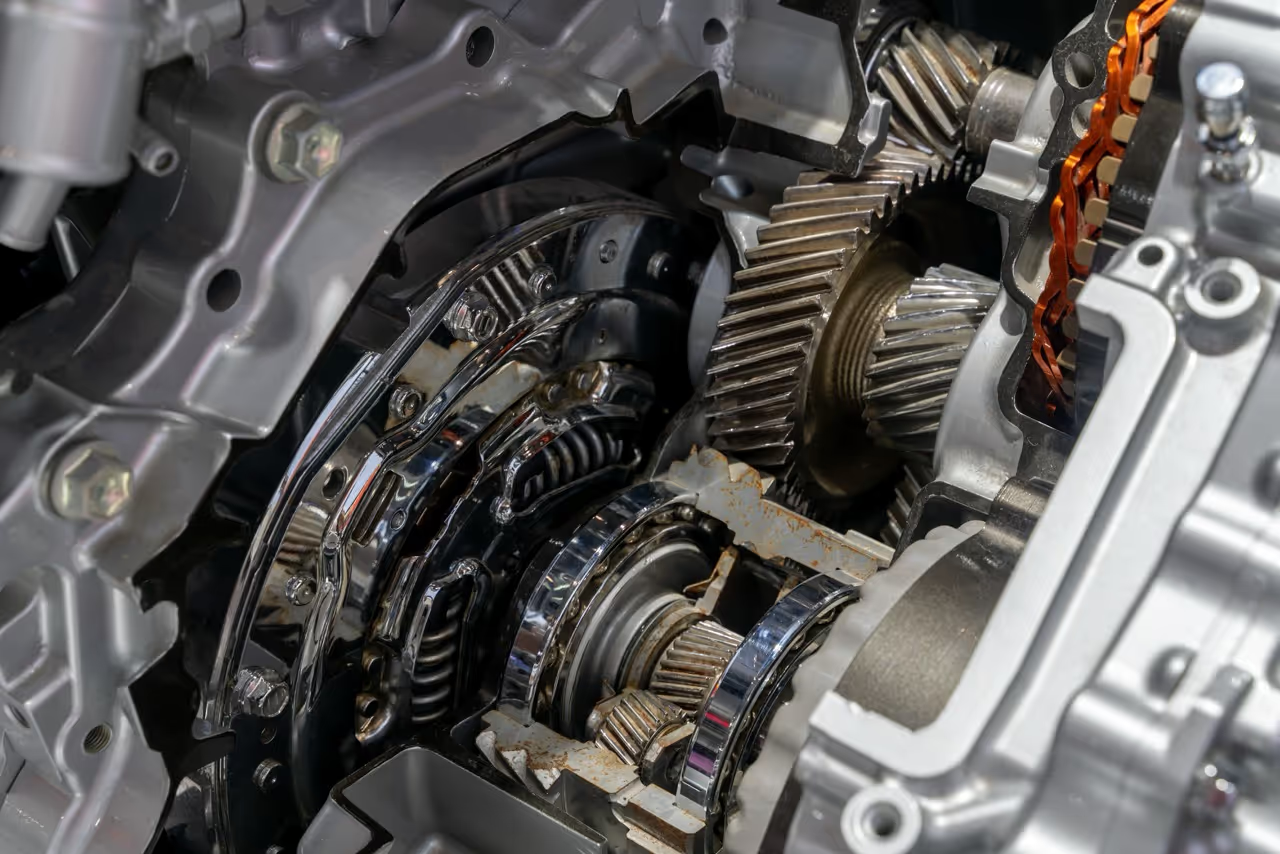
The torque-tube layout defines how Opel Ascona, Manta, Monza, and GT platforms carry power to the live rear axle. Opel Tuners collects modification notes, ratio tables, and failure patterns builders hit when they combine more power, lower ride height, and different gearbox lengths in the same project. This hub expands the Drivetrain & Gearing pillar with torque-tube-specific detail — pinion angle, spline care, tunnel clearance, and shifter placement — without treating the driveline as an afterthought to engine tuning.
If you are simultaneously converting to injection, read Fuel Injection & Engine Management and Carb-to-Injection for fuel-system sequencing; driveline vibration at cruise is often geometry, not “a bad tune.”
Unlike a discrete propshaft and four-link rear, the Opel torque-tube locates the axle while transmitting torque. That means spring changes, link changes, and engine mount wear all influence U-joint angle and bind. Builders who lower the car without recalculating pinion angle often report a vibration that balances out above 80 mph — classic angle and phase error, not wheel weights.
Measure at loaded ride height with driver weight and fuel represented. Jack-stand measurements lie. Record pinion angle, transmission output angle, and link lengths before and after any modification so you can revert if a test drive fails.
Torque-Tube Modification covers shortening, strengthening, and re-mounting strategies for higher torque and altered ride height. The goal is more power delivered without binding the axle on bump or rebound. Any cut-and-weld on the tube demands alignment of the flange faces and correct phase when reassembled — amateur weld shrink can pull pinion angle out of spec before you even bolt the rear up.
When you increase power via turbo or injection builds, inspect splines, flange bolts, and centre bearing condition (where fitted) on a schedule, not only when noise appears. Shock load from drag launches on sticky tyres travels through the tube first.
Gearbox Ratios tables document four- and five-speed combinations across the RWD range. Use real tyre rolling circumference when you model rpm at motorway speeds — catalogue tyre diameter overstated by a few percent can make a “perfect” fifth gear feel short or long in reality.
Interchange is never only bellhousing pattern. Clutch actuation, speedometer drive, shifter location, and prop length must be mocked up. A five-speed from a different subframe variant may need tunnel clearance relief — measure with the engine at installed angle, not on a stand.
Compare donor hunting notes with the Manta B link directory and international Opel link roundup when labels and tags do not match your market car.
Monza Rear Geometry and related chassis articles describe link angles and ride height targets that must be read together with torque-tube work. Changing link length without pinion correction produces chronic tyre wear and unstable throttle on corner exit — often misdiagnosed as needing a limited-slip diff.
After any rear modification, revisit Suspension, Brakes & Chassis Geometry for alignment and brake balance. More grip at the rear without proportioning changes can lock the rear in the wet.
Worn engine and gearbox mounts let the lever wander in the tunnel. Replace mounts before rebuilding a gearbox that shifted well on the bench. Heavy flywheels mask idle issues; light flywheels expose injection idle problems — coordinate with fuel-injection articles if you changed both in one season.
Vibration that rises with speed — check pinion angle, joint phase, and tyre balance in that order once tyres are true.
Clunk on throttle lift — inspect spline wear, diff mounts, and link bushings; not only U-joints.
Bind on full bump — often link angle or ride height combined with too-aggressive lowering; measure at loaded height.
Whine in neutral with clutch out — input bearing or release bearing; do not confuse with rear axle whine under load.
Broader Opel platform context appears in summaries such as Ascona background material. Injection comparisons such as 205 GTi Drivers' injection notes help when you are splitting one donor car for ECU and gearbox. EFI layout fundamentals appear in John Powlton's EFI notes when the project mixes fuel system work with driveline removal.
1 — Document baseline angles and link lengths at ride height.
2 — Complete torque-tube or linkage modification with flange integrity verified.
3 — Install or swap gearbox with tunnel and shifter mock-up.
4 — Set pinion angle and align rear thrust.
5 — Road test for vibration and bind before power increases.
6 — Revisit fueling and brakes if power or grip changed.
Return to Reference Areas or the Drivetrain overview when you need the shorter pillar summary.
Each Opel RWD platform shares CIH engine heritage but differs in subframe, rear link layout, brake options, and tunnel clearance. Document which platform you are building before you copy a forum thread from a different model year — a Manta five-speed tunnel relief pattern does not automatically fit an Ascona without measurement.
Weight distribution changes when you move battery, fit larger brakes, or add intercoolers. Revisit spring rates and damper travel when those moves happen in the same season as chassis work, not a year later when tyre wear looks mysterious.
When explaining project scope to machine shops, point them at platform summaries such as Ascona background material so they understand why your car does not share parts with the BMW they see every week.
Photograph alignment sheets, link positions at ride height, and brake pad bed-in notes in the same folder as ratio calculations. Future you will not remember which shim corrected thrust angle. The archive is written assuming builders maintain that discipline — the text cannot replace your measurements on your car.
Shortening a torque-tube for ride height without understanding link geometry can move the axle forward in the wheel arch. Combine tube work with adjustable upper links only when you have measured bump and rebound travel — bind at full droop tears bushings within weeks.
Engine and gearbox mount wear changes shifter position and pinion angle together. Replace mounts as a set when one is oil-soaked or collapsed. A new gearbox on tired mounts still vibrates.

Reference for the Opel building community.

